
When Should Seamless Gutter Installation Happen During Exterior Renovations in Aberdeen, NC?
Coordinate gutter installation with roofing, fascia repairs and painting by defining responsibilities and confirming when the exterior is ready for final fitting.
Start With the Work That Shares the Roof Edge
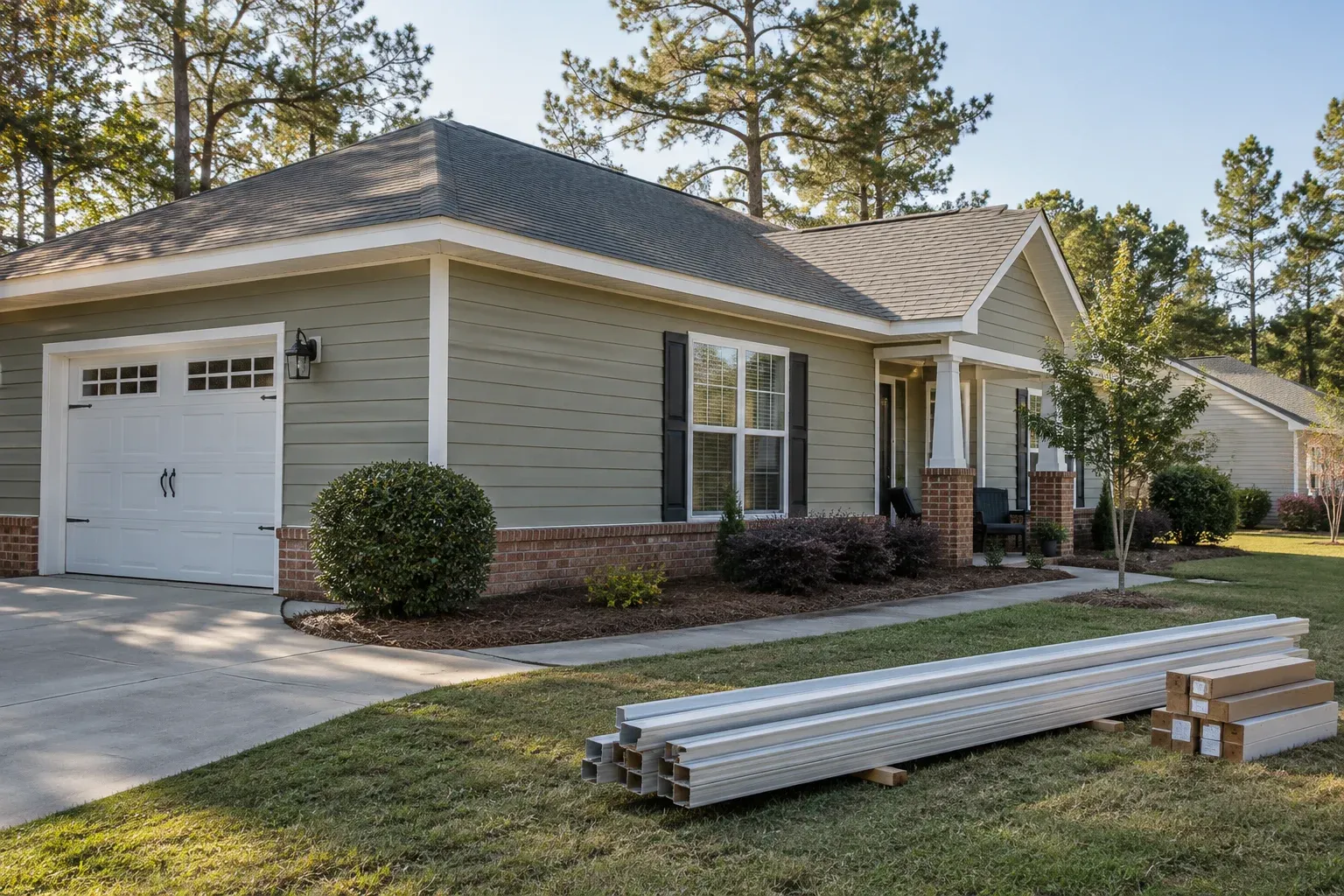
Seamless gutter installation in Aberdeen, NC should be coordinated with any renovation that changes the roof edge, fascia or nearby finishes. Installing gutters too early can leave another trade working around newly fitted metal. Waiting without a plan can leave exposed work unfinished between visits. The useful question is not simply which contractor comes first, but which surfaces and details must be ready before the gutters are fitted.
There is no universal sequence for every house. A roof replacement with sound fascia presents different scheduling needs from a project involving concealed wood damage, new trim and exterior painting. Start with the actual scope, then agree on responsibilities and readiness checks. The same approach helps owners of rental homes and managers of small offices in residential-style buildings coordinate overlapping work without assuming that one contractor handles every task.
1. Identify Where the Renovation Tasks Overlap
Walk through the planned work with the relevant contractors before setting installation dates. Identify whether roofing materials, edge flashing, fascia boards, fascia coverings, soffits or wall finishes will change. Ask which parts are accessible now and which cannot be evaluated until existing gutters come down. A painter may need clear access to a strip of fascia that looks insignificant from the ground but becomes difficult to reach after installation.
Separate confirmed work from possible discoveries. For example, replacing the roof does not automatically mean replacing all fascia, and stained wood does not establish the extent of damage. Ask the responsible contractor how concealed deterioration will be documented and approved if uncovered. That conversation creates a decision point in the schedule instead of letting an unexpected repair become an argument about who was supposed to notice it.
Resolve appearance choices early enough that they do not delay the handoff. The article on aluminum gutter options provides separate background for those decisions; this renovation plan should record the chosen finish and the surfaces receiving paint. Keep those selections alongside a simple scope showing what stays, what comes off and what must be completed before gutter fitting begins.
- Identify every trade working at the eaves.
- Record confirmed repairs separately from possible concealed damage.
- Name the person authorized to approve additional work.
- Share finish selections before materials are ordered.
2. Assign Removal and Interim Responsibilities
Do not assume the roofer will remove the gutters or that the gutter installer will dispose of them. Put removal, storage if applicable, hauling and cleanup into the written scope. State whether the existing system is being discarded or whether any components are intended for reuse elsewhere on the property. These are separate responsibilities, even when several tasks happen during the same visit.
If someone proposes leaving gutters in place during roofing, ask how access and protection will work. In some projects that may be practical; in others, the required edge or fascia work makes removal necessary. Background on seamless versus sectional gutters can help clarify terminology when discussing existing components, but it cannot determine whether a particular run should remain during renovation. That decision requires attention to the actual work area.
Also agree on what happens between removal and replacement. Ask who will protect unfinished surfaces and address temporary water-management needs if weather interrupts the project. Avoid scheduling removal far ahead of the next necessary task merely to reserve a convenient appointment. For occupied homes, rentals or offices, keep entrances and routine access clear of stored materials, and tell occupants when exterior work will affect their normal routes.
3. Complete Repairs and Roof-Edge Work Before Final Fitting
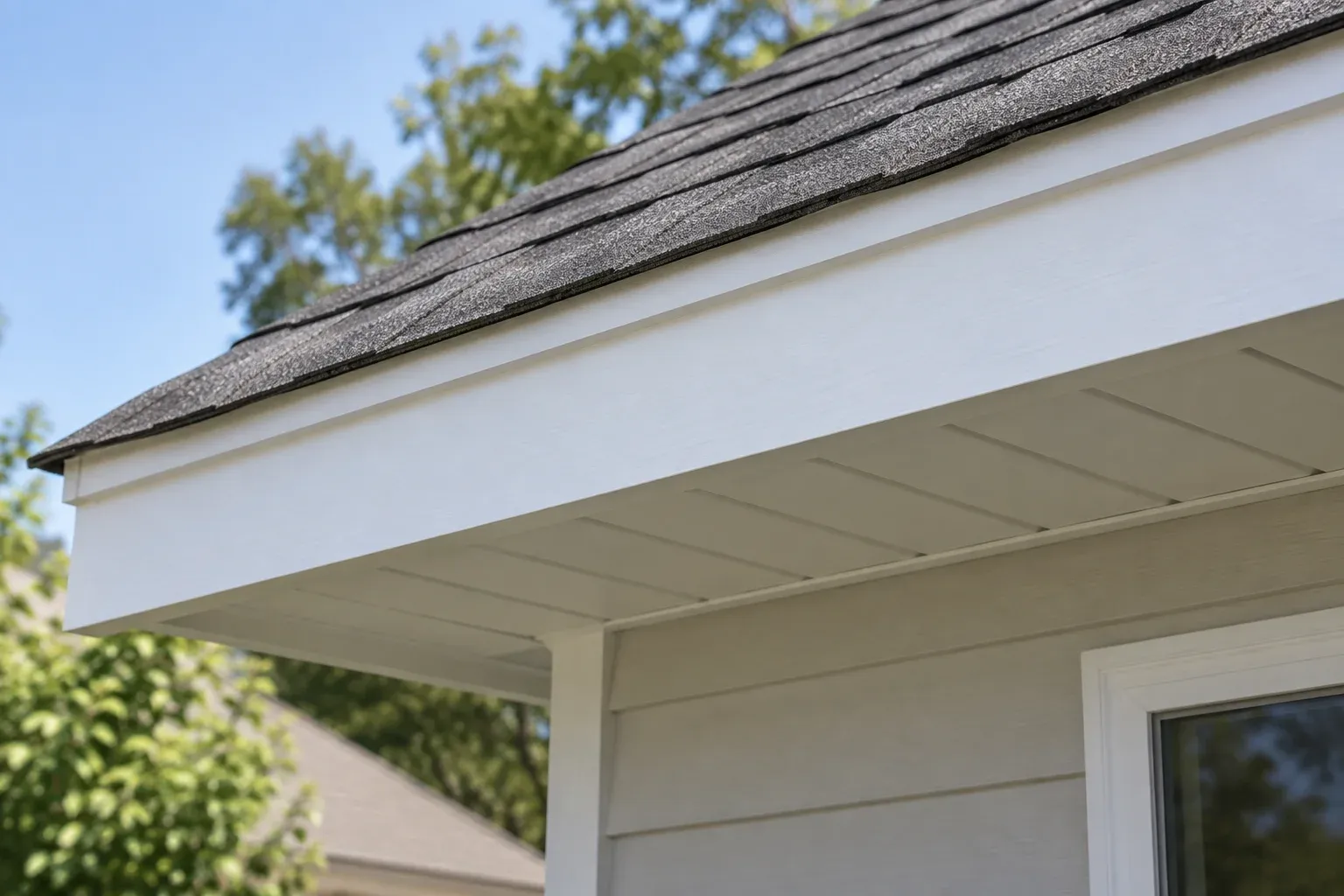
Before final gutter fitting, work that changes the attachment surface or roof-edge relationship should be resolved. Depending on the renovation, that may include replacing deteriorated fascia, correcting loose trim, completing roof-edge flashing or finishing a fascia covering. The objective is a stable, completed mounting area, not simply a roof that looks finished from the driveway. Gutters should not conceal unresolved damage that another trade still needs to reach.
Ask the roofing and gutter contractors to coordinate where their work meets. Roof-edge details need to direct water appropriately into the gutter without improvised changes that conflict with the roof assembly. The correct detail depends on the materials and existing construction. Homeowners do not need to prescribe that detail, but they should know who is responsible for resolving a mismatch before the installation appointment.
Use a clear readiness check after repairs rather than relying on an estimated completion date. Confirm that required boards and coverings are secured, unfinished areas have been identified, and no further demolition is planned along the gutter line. Ground-level photographs can help document progress, while close inspection should remain with the appropriate contractor. If repairs alter the mounting surface, notify the gutter installer before final dimensions are accepted.
4. Coordinate Paint Preparation and Readiness
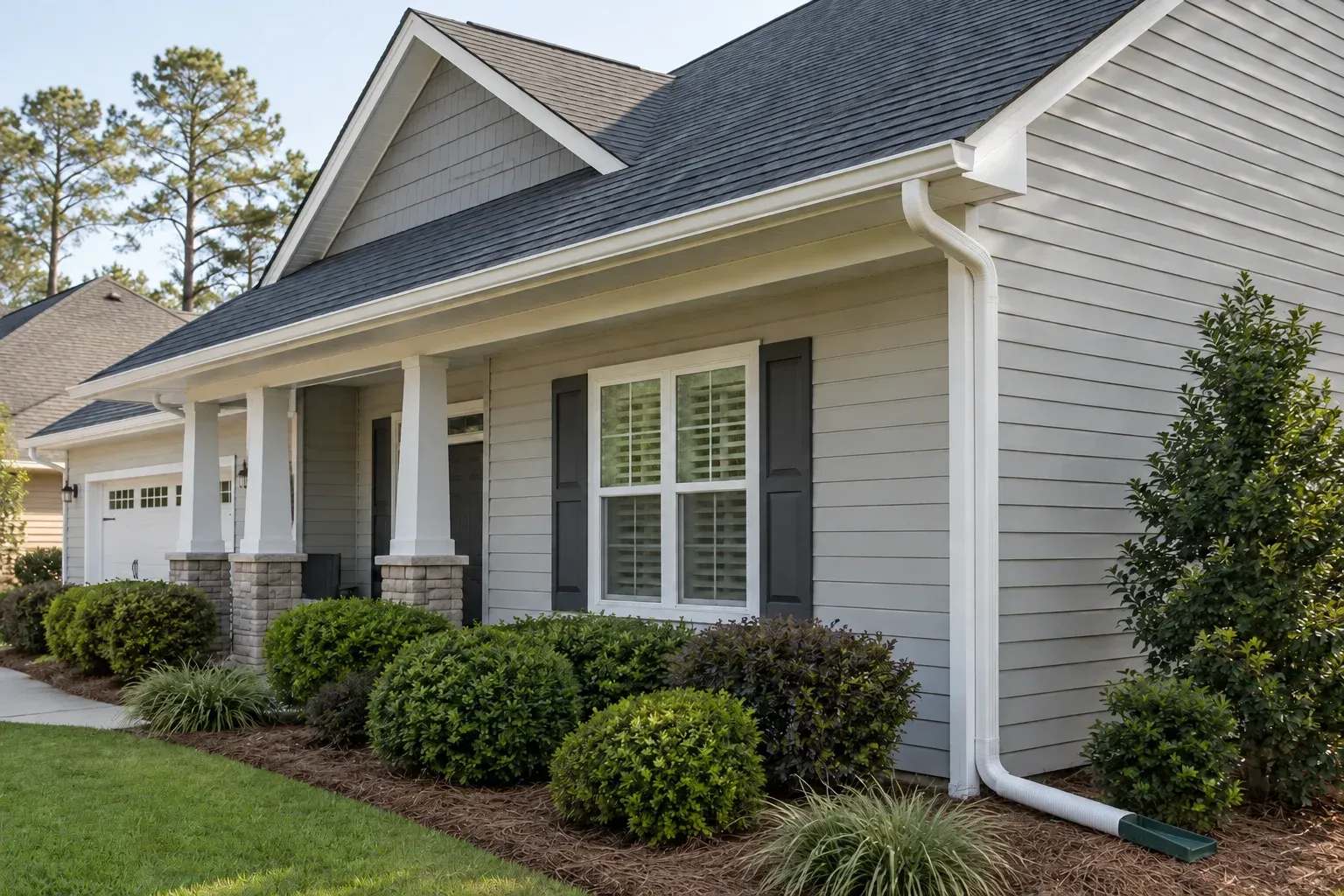
Painting needs its own place in the sequence. Where gutters would cover fascia, completing necessary preparation and coating beforehand generally gives the painter better access. That does not mean every wall or exterior accent must be finished first. Identify the specific surfaces that gutter runs, brackets or downspout straps would obstruct, and coordinate those areas rather than holding the entire project to an unnecessarily broad milestone.
Ask the painter to account for cleaning, substrate repairs, primer where required and the specified finish coats. Fresh-looking paint is not proof that a surface is ready for handling or attachment. Drying and curing requirements vary with the coating and conditions, so use the product instructions and the painter's guidance instead of a universal waiting period. Weather delays should change the readiness decision, not just the calendar entry.
Clarify how minor touch-ups will be handled after installation and who will protect completed finishes during later work. This is especially useful when downspout attachments meet newly painted siding or trim. Keep any remaining painting tasks visible on the shared scope so nobody mistakes a partly finished wall for an approved mounting area. Avoid asking one trade to make coating decisions that belong to another.
5. Confirm Final Measurements and Release the Installation
Distinguish an early planning visit from final measurement. Preliminary dimensions can support coordination, but replacements or added coverings may change the finished surfaces. Ask when dimensions will be confirmed and what changes would require another visit. A written installation scope should also identify prerequisites; the separate guide to installation estimate factors offers related background for reviewing what an estimate includes.
Before authorizing installation, confirm that roofing work affecting the eaves is complete, repairs are accepted and relevant coatings are ready. Share any remaining access needs, such as painting equipment that must return beside the house. If one elevation is complete and another is not, ask whether separate visits make practical sense rather than assuming the project must proceed all at once.
The best time for seamless gutter installation in Aberdeen, NC is when the actual renovation scope has reached that agreed readiness point. Define who removes the old system, finish work that would otherwise be hidden, and confirm measurements against completed surfaces. This keeps the schedule tied to observable conditions rather than a rigid roofing-painting-gutters formula that may not fit the property.
Frequently asked questions
Does roof replacement always require removing existing gutters?
No. It depends on the roof-edge work, gutter condition and access needed. Have the roofing and gutter contractors agree on whether the gutters can remain protected or need removal before work begins.
Should fascia painting happen before seamless gutters are installed?
When gutters would cover the fascia, completing necessary repairs, preparation and coating first usually provides better access. Installation should wait until the coating is ready for handling under its product instructions and actual site conditions.
Can gutter measurements be taken before exterior renovations finish?
Preliminary measurements can support planning, but final dimensions should be confirmed after work that changes the mounting surfaces or roof edge. Agree on that confirmation point before committing to fabrication and installation.